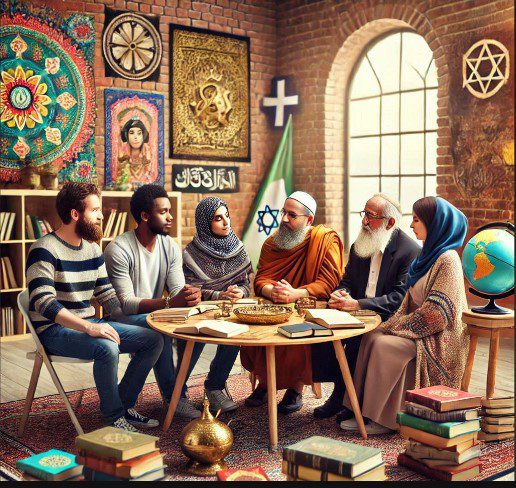
In sociology, the term “isms” refers to ideas, beliefs, attitudes, or systems that influence how people think and behave in society. These “isms” may be positive or negative. Some promote equality and rights, while others cause discrimination and inequality.
Examples include:
racism
sexism
ageism
classism
environmentalism
nationalism
They matter because they shape:
laws
education
politics
family life
economy
social relationships
Understanding “isms” helps us understand power, inequality, social justice, and social change.
Economic Isms
Capitalism
Capitalism is an economic system in which private individuals own businesses and property, not the government. Goods and services are produced for profit, prices are set by supply and demand, and competition is encouraged. Supporters say capitalism leads to innovation and hard work. Critics argue it can cause poverty, inequality, and worker exploitation because wealth becomes concentrated in few hands.
Socialism
Socialism is an economic system in which resources and industries are owned or controlled by the state or community, not private individuals. The goal is to reduce inequality and provide basic services like health and education to everyone. Critics say it may reduce innovation and economic freedom, but supporters say it promotes fairness and social welfare.
Communism
Communism is a more extreme form of socialism. In communism, all property is collectively owned, and there is ideally no private ownership and no classes. It seeks complete equality. In practice, however, communist systems often become highly centralized and criticized for lack of political freedom.
Social Inequality Isms
Racism
Racism is the belief that one race is superior to another. It leads to discrimination, hatred, violence, and unequal treatment in employment, education, law, and health. Racism can be:
personal (individual prejudice)
institutional (built into systems)
Example: denying someone a job because of skin color.
Sexism
Sexism is discrimination based on gender, usually against women or gender minorities. It includes stereotypes that men are “strong leaders” and women are “emotional or weak.” It leads to inequality in:
pay
work opportunities
education
politics
domestic roles
Ageism
Ageism is discrimination based on age. Elderly people may be seen as “useless,” while youth may be seen as “irresponsible.” It affects:
jobs
medical treatment
decision-making roles
Classism
Classism is discrimination based on social class or economic status. Rich people are seen as superior, poor people as inferior. It creates:
unequal opportunity
unequal access to education and health
social exclusion
Political Isms
Liberalism
Liberalism supports:
individual rights
democracy
freedom of speech
equality before law
It focuses on human rights and personal freedom.
Conservatism
Conservatism emphasizes:
tradition
religion
family values
social order
Conservatives prefer slow or limited social change.
Nationalism
Nationalism means strong loyalty and pride in one’s nation. It can unite people but may also create:
prejudice against other nations
ethnic conflict
wars
Totalitarianism
Totalitarianism is a political system where a single party or leader controls everything, including:
media
education
law
freedoms
Citizens have little political freedom.
Religious and Belief Isms
Theism
Belief in God or gods (e.g., Islam, Christianity, Judaism).
Atheism
Belief that there is no God.
Agnosticism
Belief that we cannot know whether God exists or not.
Secularism
Secularism means separating religion from state affairs such as law, education, and government. It protects freedom of belief for everyone.
Gender-related Isms
Feminism
Feminism is a movement and ideology that demands equal rights for women and men. It fights against:
domestic violence
sexual harassment
educational inequality
lower wages for women
cultural discrimination
Patriarchalism / Patriarchy
Patriarchy is a system where men hold more power in family, politics, religion, and economy. Feminism directly challenges patriarchy.
Cultural and Identity Isms
Multiculturalism
Multiculturalism supports coexistence of different cultures in society with respect and equality.
Example: different languages, foods, traditions living together in one country.
Individualism
Focuses on personal freedom and self-interest rather than community or group.
Collectivism
Emphasizes group interest, family, or community over individual desires.
Environmental and Global Isms
Environmentalism
Environmentalism promotes protection of nature, climate, forests, water, and wildlife. It opposes:
pollution
deforestation
climate change
Globalism
Globalism supports worldwide economic, cultural, and political integration, such as international trade and migration.
Opposite of this is isolationism, which prefers limiting foreign involvement.
Why “isms” matter in sociology
Understanding “isms” helps us:
recognize discrimination
analyze power relations
understand inequality
promote social justice
study ideologies shaping society
understand social movements
They explain why societies change and why conflicts occur.
Conclusion
“Isms in society” are powerful ideas and belief systems that shape:
how people think
how resources are shared
how groups are treated
who holds power
Some isms promote justice (like feminism, multiculturalism, environmentalism), while others promote inequality (like racism, sexism, classism). A good sociology student must be able to identify, define, and critically analyze these ideologies.
All this isms are explained one by one on Socityopedia. You can visit for detail.