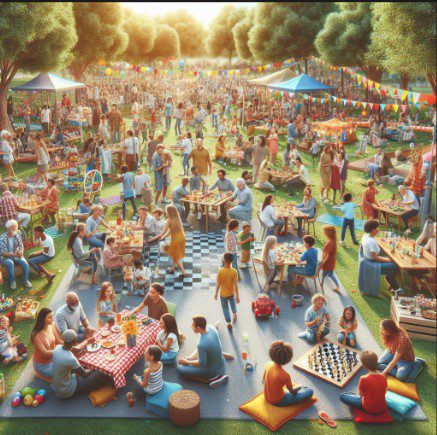
Recreation refers to all activities that people do for enjoyment, relaxation, entertainment, and refreshment of mind and body. In sociology, recreation is not just fun or free time; it is considered a social institution because it shapes social relationships, values, behaviours, and culture. In Pakistan, recreation is closely linked with family life, religion, traditions, media, festivals, sports, and community events. People take part in recreational activities to reduce stress, strengthen social bonds, and escape from daily routines. Parks, cricket grounds, TV dramas, social media, weddings, religious gatherings, tourism, and hobbies all serve as forms of recreation in Pakistani society. Understanding recreation as a social institution helps us see how it influences lifestyles, identity formation, social integration, and even the economy.
Recreation also varies by class, gender, and region. Urban and rural communities enjoy different activities, and opportunities for recreation are not equally available to everyone. While some people enjoy modern leisure activities like cinemas, gyms, restaurants, and shopping malls, others engage in traditional recreations such as village games, folk music, storytelling, and family gatherings. Thus, recreation in Pakistan is deeply connected to culture and social structure.
Recreation as a Social Institution: Sociological Meaning
In sociology, a social institution refers to a system of organized patterns of behavior that meet basic human needs. Family, religion, education, economy, and politics are common examples. Recreation is also a social institution because it plays an organized, meaningful role in society rather than merely individual fun. It influences how people spend time, interact with others, and develop community life.
Recreation fulfills important social functions. It promotes socialization by bringing people together in playgrounds, festivals, sports events, tea shops, and community centers. It also reinforces social norms since many recreational practices follow cultural and religious traditions, such as Eid celebrations, Basant (where allowed), and wedding ceremonies. Recreation helps in personality development, emotional release, creativity, mental health support, and reducing loneliness. It offers a space where people feel belongingness and participation in collective life.
Recreation also reflects power, inequality, and class differences. For example, elite groups may enjoy clubs, golf courses, international tourism, and private resorts, whereas lower-income groups rely on public parks or local sports. Gender norms also shape recreational opportunities for men and women in Pakistan, showing how recreation is socially constructed rather than purely personal.
Forms of Recreation in Pakistan
Recreation in Pakistan exists in many different forms, reflecting cultural diversity and modern influences. Traditional recreation includes folk songs, cultural festivals, village fairs (melas), kite flying, storytelling, truck art, religious gatherings, and hospitality-centered activities such as visiting relatives. These activities strengthen community ties and preserve heritage.
Sports recreation is highly popular, especially cricket, which is not only a game but a national passion. Hockey, football, volleyball, and kabaddi are also widely played. Watching sports matches together at home or in public screens also becomes a social bonding activity.
Media and digital recreation have rapidly expanded. Television dramas, movies, YouTube, TikTok, video games, and social networking offer entertainment while also shaping values, language, fashion, and role models. However, they come with challenges like screen addiction and misinformation.
Outdoor recreation includes picnics, mountain tourism in northern areas, beach visits in Karachi, hiking, fishing, and camping. Pakistan’s natural beauty supports tourism and provides economic opportunities for local communities.
Religious and cultural recreation is also central. Events such as Eid, milad gatherings, naats competitions, and charity festivals bring joy along with spiritual meaning. Weddings are a major recreational event involving music, food, dress, photography, and social interaction.
Importance of Recreation in Pakistani Society
Recreation plays a vital role in maintaining physical, mental, and social health in Pakistan. Everyday life can be stressful due to economic challenges, work pressure, academic competition, traffic, and social responsibilities. Recreational activities provide emotional relief, reduce depression and anxiety, and promote overall well-being. Walking in parks, playing sports, spending time with friends, or simply watching a favorite show can refresh the mind.
Recreation strengthens family relationships. In Pakistan, families often spend recreational time together through picnics, weddings, dinners, shopping trips, or TV watching. This shared time improves communication, love, and understanding among family members. Recreation is also important for children’s development, helping them learn teamwork, cooperation, problem-solving, and creativity through games and sports.
At the societal level, recreation promotes social cohesion. It provides platforms where people from different backgrounds come together peacefully. National events like cricket matches unite citizens emotionally and promote patriotism. Recreational industries, such as tourism, sports media, and entertainment, also contribute to the economy, creating jobs and supporting local businesses.
Barriers to Recreation in Pakistan
Although recreation is important, many people in Pakistan face obstacles in accessing recreational opportunities. One major barrier is economic inequality. Poor families often cannot afford travel, sports facilities, or leisure clubs. Their free time may be taken up by extra work to survive financially.
Gender restrictions are another social barrier. Many women and girls face limited mobility due to cultural norms, safety concerns, or lack of female-only recreational spaces. This affects their mental and physical health as well as participation in public life.
Lack of infrastructure also limits recreation. Some cities lack parks, safe playgrounds, libraries, museums, or sports complexes. In rural areas, entertainment options are especially scarce, and recreational spaces may be converted into residential or commercial land.
Security challenges in some regions reduce public activities and open-air gatherings. Additionally, exam pressure on students and long working hours for adults leave little time for leisure.
Digitalization has created a new barrier as well: people increasingly replace outdoor social recreation with isolated screen time, weakening face-to-face social bonding.
Role of Government and Community in Promoting Recreation
The government, local communities, and NGOs can play a powerful role in strengthening recreation as a social institution in Pakistan. Public policies should include the development of parks, sports grounds, libraries, youth centers, museums, playgrounds for children, and safe recreational facilities for women and families. Investment in tourism infrastructure can generate revenue and encourage healthy leisure activities.
Schools should promote extracurricular activities rather than focusing only on exams. Sports events, debates, music, art competitions, and study tours help students develop balanced personalities. Community organizations can arrange cultural events, book fairs, local sports tournaments, and awareness programs about healthy recreation.
Media also has responsibility. It can promote positive and educational entertainment instead of only sensational content. Meanwhile, families should encourage children and youth to balance technology with physical and social recreation.
Conclusion
Recreation in Pakistan is much more than entertainment—it is a social institution that influences culture, relationships, identity, and development. It helps answer important sociological questions about how people spend free time, how social norms shape leisure, and how recreation strengthens community life. Despite economic and social barriers, recreational activities continue to play a central role in Pakistani society through sports, festivals, tourism, media, and family gatherings.
Strengthening recreational opportunities can improve mental health, reduce social tensions, and promote unity. Recognizing recreation as a social institution highlights its importance not as a luxury, but as a basic human and social need.
Stay tuned for more with Societopedia